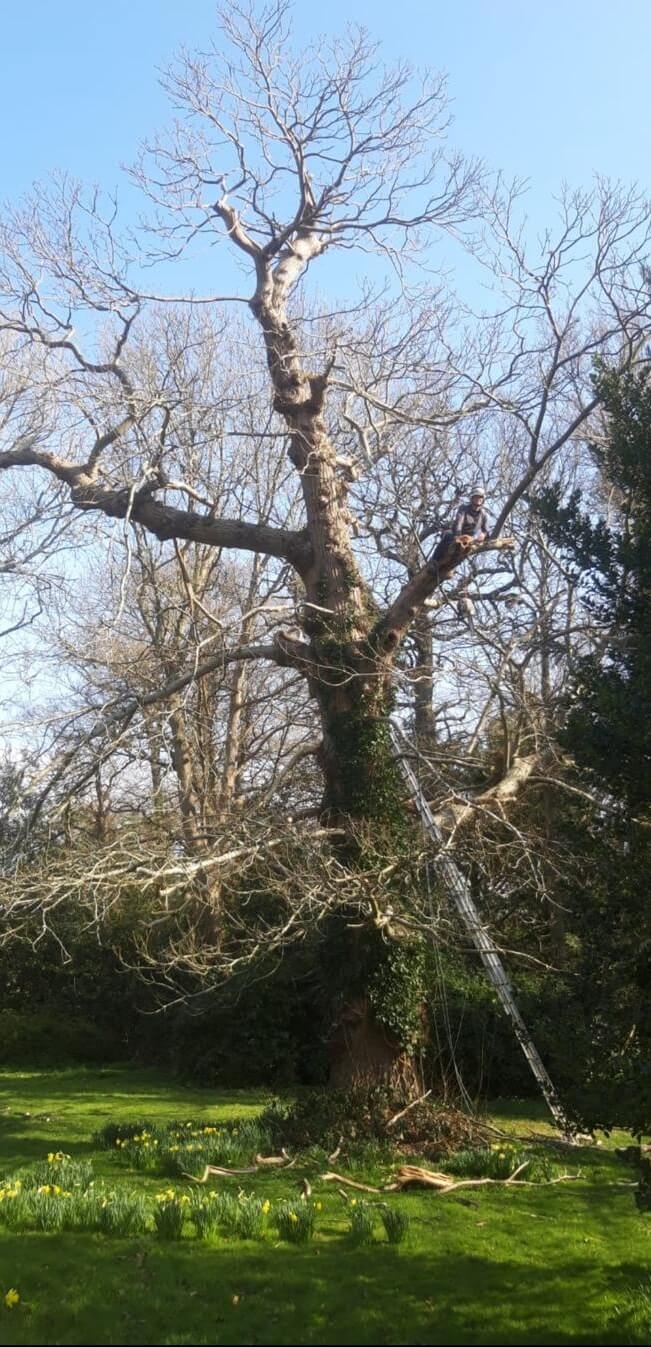
Pruning is more than just shaping trees, it’s essential for maintaining their health, promoting strong growth, and ensuring safety. Trees, like any living organisms, respond to seasonal changes, and pruning at the right time helps prevent disease, enhance structure, and reduce the risk of falling branches.
Why does timing matter?
Pruning at the wrong time can stress the tree, making it more vulnerable to disease, pests, and poor growth. Each season offers unique pruning opportunities, and knowing when to prune ensures stronger, healthier trees in your garden or landscape.
Quick Fact: Well-pruned trees live longer, resist storms better, and provide environmental benefits like improved air quality and carbon absorption.
The Benefits of Seasonal Tree Pruning
Enhancing Tree Health & Growth
- Removes dead, diseased, or damaged branches to prevent decay.
- Encourages new, strong growth by redirecting energy to healthy limbs.
- Improves air circulation within the canopy, reducing fungal diseases.
Safety & Risk Prevention
- Reduces the risk of falling branches, protecting people and property.
- Keeps trees from interfering with power lines, buildings, and roads.
- Prevents weak or overgrown limbs from breaking during storms.
Aesthetic & Landscape Benefits
- Creates well-shaped, balanced trees that enhance curb appeal.
- Allows more sunlight into gardens, improving plant growth.
- Boosts fruit yield in fruit-bearing trees by improving structure.
Did You Know? Pruning can increase fruit production in trees like apples and pears by up to 40% when done correctly.
Best Times to Prune – A Seasonal Breakdown
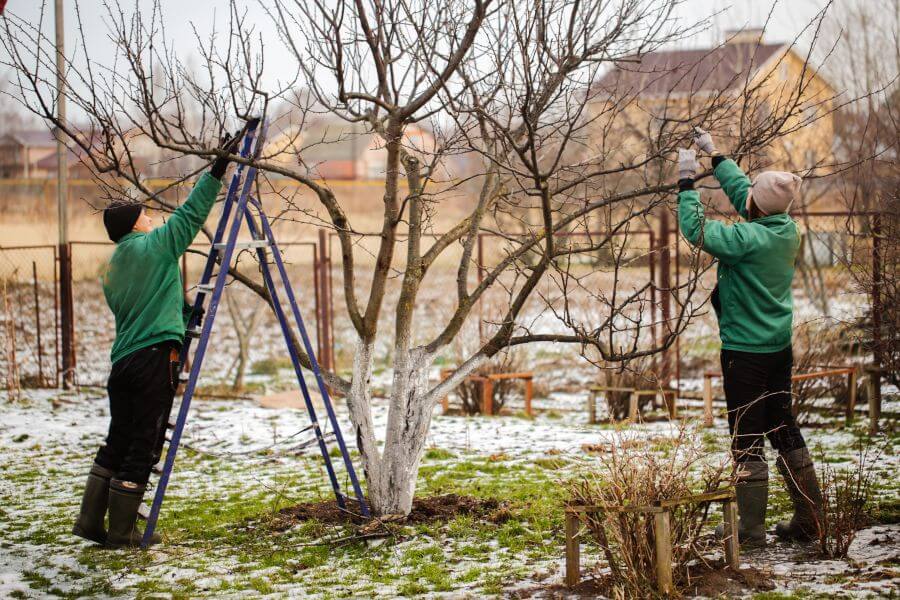
Winter Pruning (Dormant Season) – Best for Structure & Growth
Best For: Most deciduous trees (oak, beech, maple).
- Trees are dormant, making winter the best time for major pruning.
- Cuts heal faster in early spring, reducing the risk of infection.
- Ideal for removing large branches to improve tree structure.
Avoid winter pruning for frost-sensitive trees like magnolias.
Spring Pruning – Light Pruning for Growth Control
Best For: Early-flowering trees & young trees.
- Prune after blossoms fade to avoid cutting off next season’s buds.
- Light shaping is beneficial, but avoid heavy pruning, which can reduce flowering.
- Ideal for shaping hedges and shrubs as new growth begins.
Avoid pruning maples, birches, and walnuts in spring, as they bleed excessive sap.
Summer Pruning – Managing Growth & Safety
Best For: Fast-growing trees (poplar, willow) & fruit trees.
- Controls excessive growth and shapes trees after spring growth.
- Helps thin dense canopies, allowing more light to reach lower plants.
- Reduces the risk of storm damage by strengthening tree structure.
Great for fruit trees, pruning in summer improves fruit size and quality.
Autumn Pruning – Proceed with Caution
Best For: Only deadwood removal.
- Trees start slowing down growth, making them vulnerable to damage.
- Heavy pruning can shock the tree before winter dormancy.
- Best for removing weak or dead branches before winter storms.
Avoid pruning most trees in autumn, as cuts heal more slowly, and fungi thrive in cooler, damp conditions.
UK-Specific Native Trees & Their Pruning Needs
Not all trees respond the same way to pruning. Here are some native UK trees and their best pruning seasons:
- Silver Birch (Betula pendula) – Prune lightly in late summer to reduce sap bleeding.
- Scots Pine (Pinus sylvestris) – Needs minimal pruning, best in early spring.
- Field Maple (Acer campestre) – Trim in late winter for better shape and structure.
- Hornbeam (Carpinus betulus) – Best pruned in mid to late summer for hedge shaping.
- English Oak (Quercus robur) – Prune in late autumn or winter to encourage strong growth.
Planning to prune? Always check for Tree Preservation Orders (TPOs) in your area before carrying out major tree work.
Common Tree Pruning Mistakes to Avoid
- Over-Pruning – Removing too much foliage weakens the tree and stunts growth.
- Pruning at the Wrong Time – Can lead to poor flowering, weak growth, or disease.
- Making Improper Cuts – Cutting too close to the trunk or leaving long stubs can damage the tree.
- Using Dull or Unsensitized Tools – Can spread infections and cause ragged wounds.
Pro Tip: Always make cuts at a 45-degree angle, just above a healthy bud, to promote faster healing.
DIY vs. Professional Tree Pruning – What’s Best for You?
- DIY structural pruning – Good for small trees & routine maintenance (e.g., light trimming, hedge pruning).
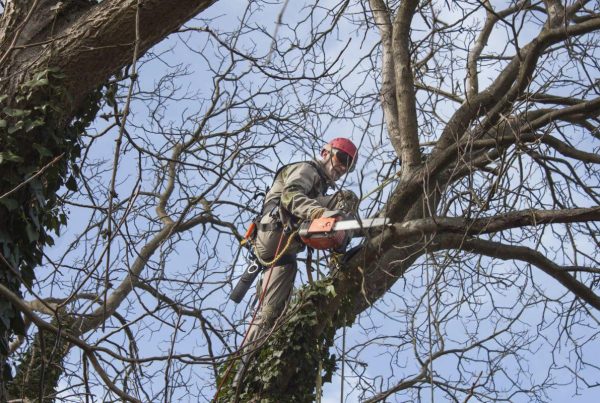
- Professional Pruning – Essential for large trees, high-risk branches, or protected trees.
- When to Call a Tree Surgeon:
– If the tree is near power lines, buildings, or roads.
– If it has disease symptoms (fungal growth, dead limbs).
– If major structural pruning is required.
Hiring a professional ensures correct pruning techniques, tree safety, and compliance with UK tree protection laws.
Conclusion – Keep Trees Healthy with Seasonal Pruning
Pruning at the right time ensures your trees stay healthy, safe, and beautiful all year round.
Need expert pruning services in Sussex? Contact Garnham Tree Surgery today for professional seasonal tree care!